Sheepshead Fish Caught on Englewood Fishing Charter
Sheepshead Fishing in Englewood - What to Expect

Fishing Charter by Captain Tim Hermus in April

- Book Our Englewood Fishing Charters Today!


Summary
Join a fishing charter in Englewood, FL on a Saturday in April to target sheepshead and other inshore species. Captain Tim Hermus of MM Charters specializes in productive shallow water fishing, offering hands-on guidance for anglers of all skill levels looking to connect with Florida's coastal fish populations.
Fishing Charter with Captain Tim Hermus - Rates & Booking
Captain Tim Hermus of MM Charters on Saturday, April brings local expertise and a passion for inshore fishing to every trip. With years of experience navigating Englewood's productive waters, Tim knows where the sheepshead are holding and how to put anglers in position for consistent action. Whether you're a seasoned angler or picking up a rod for the first time, this fishing charter adapts to your skill level and goals.
MM Charters focuses on personalized service and real results. You'll spend your time fishing quality water with a captain who understands local patterns and seasonal movements. The charter includes guidance on technique, fish handling, and conservation practices. Bring your enthusiasm and let Tim handle the navigation and fish knowledge.
To book your fishing charter or learn more about availability and rates, contact MM Charters directly. Captain Tim works with small groups to ensure personalized attention and a comfortable experience on the water.
Highlights of Your Englewood Fishing Experience
Englewood's shallow coastal waters create an ideal environment for sheepshead and other inshore species. The structure-rich flats and nearshore areas hold consistent populations of fish throughout the year, with spring bringing active feeding periods. Fishing here combines technical skill with the reward of connecting with healthy, hard-fighting fish that demand respect and precision.
The experience goes beyond just catching fish. You'll witness the natural rhythm of Florida's inshore ecosystem, reading water conditions and learning to interpret subtle signs that indicate fish presence. Captain Tim's local knowledge transforms a fishing trip into an educational experience where each outing teaches you something new about the area's fish and their behavior patterns.
Local Species Insights: Sheepshead
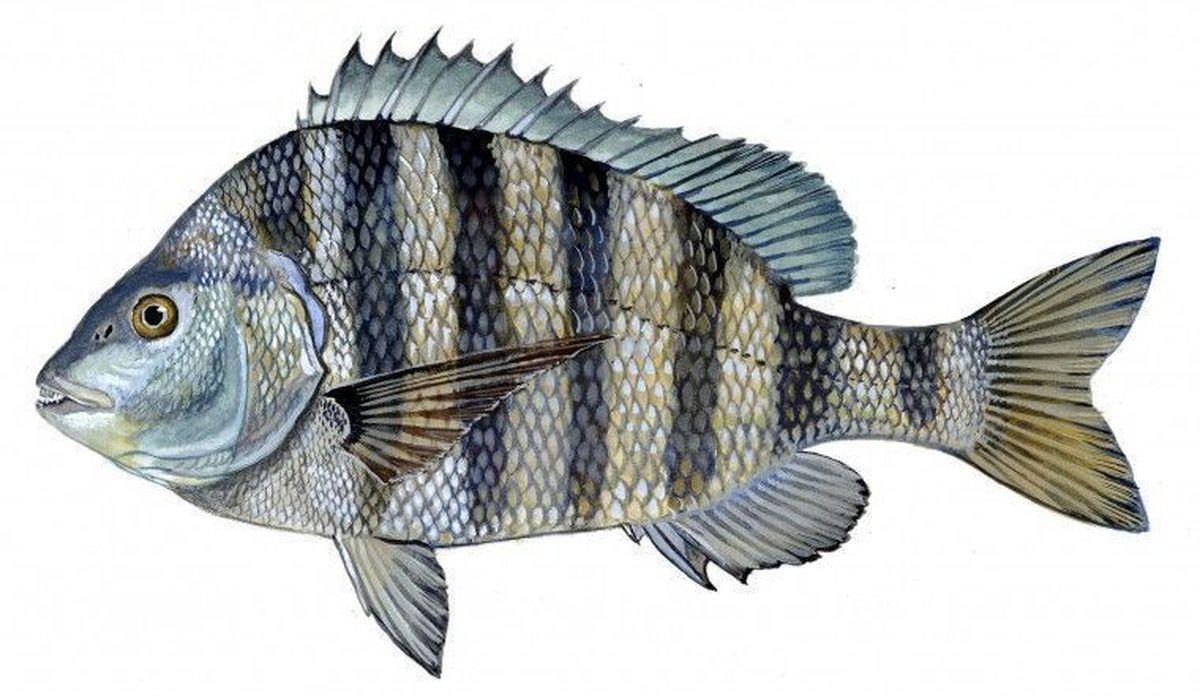
Sheepshead are one of Englewood's most rewarding inshore targets, and they're found year-round in Florida's coastal waters. These fish have a distinctive appearance with vertical black and white stripes, a flattened body, and teeth that resemble human incisors, which gives them their quirky common name. Despite their unusual look, sheepshead are powerful, intelligent fish that provide exciting light-tackle action.
These fish are bottom feeders that use their teeth to crush hard-shelled prey like fiddler crabs, small conchs, and barnacles. They frequent dock pilings, jetties, mangrove shorelines, and shallow grass flats where they can access their preferred food sources. Sheepshead tend to be cautious and require accurate casting, light presentations, and patience. They test an angler's technical skills and reward precision with strong runs and solid head shakes.
Spring is an excellent time to target sheepshead as they move into shallower water and feed more actively. They respond well to live bait and cut bait presentations, particularly fiddler crabs and shrimp. The shallow-water environment of Englewood provides ideal conditions for sight-casting to feeding fish, making it possible to actually see your target before you cast. This visual element adds an extra layer of excitement to the experience and helps develop your ability to read water and locate fish.
Sheepshead fishing also connects you to Florida's fishing heritage. These fish have been a staple of coastal fishing for generations, and learning to catch them puts you in touch with traditional techniques and local angling culture. Whether this is your first trip or your hundredth, sheepshead never get boring because each fish requires you to adapt and stay sharp.
Plan Your Fishing Day in Englewood
A typical fishing charter with Captain Tim starts early, taking advantage of morning activity and comfortable conditions. You'll fish prime areas during peak feeding windows, with the flexibility to move and adapt based on what the fish are doing. The shallow-water fishing environment means you'll be standing and actively engaging throughout the trip, which keeps energy high and keeps you connected to the action.
Bring sunscreen, polarized sunglasses, and comfortable clothing that works for sun and spray. Wear non-slip footwear since you'll be moving around the boat's deck. Captain Tim handles all tackle and technique coaching, so focus on enjoying the experience and staying ready for the next bite. Keep hydration in mind during a full day on the water, and bring snacks if you prefer specific options.
The personal instruction you receive transforms into lasting skills you can use on future fishing trips. By the end of your charter, you'll understand sheepshead behavior, recognize prime habitat, and have practiced casting and presentation techniques that improve your angling foundation. This knowledge stays with you long after the trip ends.
Fishing in Englewood: Sheepshead
Sheepshead Overview
The Sheepshead (Archosargus Probatocephalus) belongs to the family Sparidae and order Perciformes, making it a distinguished member of the sea bream family found along the Atlantic coast and Gulf of Mexico. This beautifully compressed grey fish is instantly recognizable by its five to seven dark vertical bars running along its sides, a pattern that earned it the colorful nickname 'convict fish.' But what really sets the Sheepshead apart—and often gets a laugh from first-time anglers—are its strikingly human-like teeth, complete with molars perfect for crushing shells and barnacles. These teeth have made Sheepshead a legend in fishing communities from Florida to Nova Scotia, and they're a key reason why landing one is such a memorable experience. Interestingly, Sheepshead Bay in New York was named after these abundant fish, though pollution and development have since caused their populations there to decline dramatically.
Sheepshead Habitat and Distribution
Sheepshead thrive around any structure they can find—docks, bridges, petroleum rigs, jetties, and barnacle-covered pilings are their favorite hangouts. These fish are structure-lovers through and through; you'll rarely find them far from cover, though they'll occasionally venture closer to shore to hunt sand fleas and other crustaceans. The highest concentrations of Sheepshead are found along the entire east coast of the United States, with particularly robust populations from south Florida through the Gulf of Mexico. Northwest Florida sees exceptional numbers thanks to its abundance of artificial structures and pier pilings, making it a hotspot for anglers seeking these elusive fish. They've also been documented as far north as Nova Scotia during warmer months, though they're most abundant in warmer waters year-round.
Sheepshead Size and Weight
Typical Sheepshead range from 1 to 8 pounds and measure 14 to 20 inches in length, making them a rewarding catch for most anglers. However, if fortune smiles on you, these fish can grow considerably larger—trophy specimens have been documented at 20 pounds and 35 inches long. What's truly impressive about Sheepshead is their longevity; these fish can live up to 20 years in the wild, meaning that larger individual you hook could be a veteran of two decades of survival. This combination of size potential and lifespan makes the Sheepshead a respected quarry among serious anglers.
Sheepshead Diet and Behavior
Sheepshead are opportunistic feeders with a particular passion for hard-shelled prey. Their diet consists primarily of barnacles, small stone crabs, and fiddler crabs scraped from pilings and rocky structures, but they also consume shrimp, mollusks, minnows, clams, and squid when available. These fish are notorious bait stealers—they'll nibble delicately at your offering, working to loosen it from the hook with surprising finesse before committing to a full strike. This behavior can be maddening for inexperienced anglers but is part of what makes Sheepshead fishing so exciting and challenging. Once hooked, their powerful mouths and strong jaws require aggressive hook sets to ensure a solid connection. They're also pelagic, meaning they don't always stay at the bottom; they can be found hovering at various depths depending on food availability and water conditions.
Sheepshead Spawning and Seasonal Activity
Sheepshead exhibit fascinating spawning behavior, forming enormous aggregations of up to 10,000 fish that migrate to specific structures during breeding season. These fish move toward channel passes, offshore reefs, jetties, and oil platforms during their spawning period, which primarily occurs in early spring from February through April. Understanding this seasonal movement is crucial for anglers planning trophy hunts, as these spawning aggregations can concentrate fish in predictable locations during these months. Outside the spawning season, Sheepshead remain relatively localized around their preferred structures, making them year-round targets in warmer climates.
Sheepshead Techniques for Observation and Capture
Boat Fishing Method: If you're approaching Sheepshead from a boat, avoid dropping anchor if possible, as the disturbance will spook these wary fish. Instead, position your boat close to the structure—pilings, reefs, or wrecks—and cast your bait as near to the cover as you safely can. Use light tackle and allow your bait to hit bottom, then slowly bring it up in 1-foot increments to determine where the fish are suspended. This vertical exploration is essential since Sheepshead don't always feed on the bottom. Set your bait firmly on the hook to resist their notorious nibbling, and when you feel the weight of a fish working your bait, set the hook with aggression—their powerful jaws require a solid connection.
Shore-Based Method: Dock and seawall anglers can be equally successful by casting their bait as close to pilings as possible, just as boat anglers would. The same vertical jigging technique applies; let your bait work at different depths to locate where the fish are holding. If local regulations permit, consider scraping barnacles off the pilings with a rake to create a scent trail of meat pieces in the water—Sheepshead will zero in on this natural chum and come to you.
Bait and Jig Selection: Natural baits are always your best bet, with shrimp-tipped jigs being an excellent choice when live bait isn't available. The heavier weight of a jig helps keep your presentation near the structure and prevents the current from dragging it away. Around popular fishing destinations in Florida and the Gulf, guides often recommend fiddler crabs and stone crabs as premium options. Fresh shrimp, clams, and squid also work well. Timing your trip for early morning or late evening, when Sheepshead are most active, will significantly improve your odds.
Sheepshead Culinary and Nutritional Notes
Sheepshead is an excellent choice for the dinner table, offering delicate white flesh with a mild, slightly sweet flavor that appeals to most palates. The fish is rich in protein and omega-3 fatty acids, making it a nutritious addition to any diet, and it's notably low in mercury, so you can enjoy it without health concerns. A diet rich in Sheepshead can support heart health by helping to lower blood pressure and reduce the risk of heart disease, while also supporting brain function, boosting immunity, and aiding muscle growth and repair. Whether grilled, baked, or fried, Sheepshead makes an exceptional meal. However, be warned: their tough scales and strong fin spines make cleaning and filleting challenging, which is why some anglers pass them over in favor of easier-to-prepare species. If you're willing to put in the effort or have a skilled filleting knife, the reward is absolutely worth it.
Sheepshead Frequently Asked Questions
Q: What is the best bait for catching Sheepshead?
A: Natural baits are always superior to artificials. Fiddler crabs, stone crabs, fresh shrimp, clams, and squid are all excellent choices. If you prefer jigs, a shrimp-tipped jig works exceptionally well because the extra weight keeps your bait near the structure where Sheepshead feed. Always set your bait firmly on the hook—these fish are expert bait stealers and will nibble away at loose offerings.
Q: Where can I find Sheepshead near major fishing destinations?
A: Sheepshead are found throughout the east coast, with exceptional concentrations from south Florida through the Gulf of Mexico. Look for them around docks, piers, jetties, bridge pilings, offshore reefs, wrecks, and oil platforms. Northwest Florida is particularly productive thanks to its numerous artificial structures. Any barnacle-encrusted piling is a potential hot spot.
Q: Is Sheepshead good to eat?
A: Absolutely. Sheepshead offers delicate, mild white flesh that's excellent for grilling, baking, or frying. It's a healthy source of protein and omega-3 fatty acids, and it's low in mercury. The main challenge is cleaning and filleting due to their tough scales and strong spines, but the culinary reward justifies the effort.
Q: When is the best time to catch Sheepshead?
A: Early spring, February through April, is peak spawning season when massive aggregations gather around structures—this is prime time for trophy hunters. Outside spawning season, Sheepshead are year-round residents in warm waters. Fish early morning or late evening for best activity levels, and target deeper structures during the heat of the day.
Q: How should I set the hook when a Sheepshead bites?
A: Set the hook aggressively with a sharp upward jerk. Sheepshead have powerful mouths and jaws, and a timid hook set will often result in a lost fish. Once you feel the weight of the fish working your bait, don't hesitate—drive that hook home firmly.
Q: What size Sheepshead should I expect to catch?
A: Most Sheepshead caught by anglers range from 1 to 8 pounds and measure 14 to 20 inches. Trophy fish can exceed 20 pounds and reach 35 inches, though these are less common. The average is typically in the 2 to 5 pound range, making them a satisfying catch that's still manageable for most anglers.