Scalloped Hammerhead Release in Englewood FL
Scalloped Hammerhead Fishing in Englewood - What to Expect

Fishing Charter by Captain Tim Hermus in April

- Book Our Englewood Fishing Charters Today!


Summary
Join a fishing charter in Englewood, FL with Captain Tim Hermus of MM Charters on a Saturday in April for an unforgettable experience targeting sharks and other Gulf species. This guided fishing trip puts you in prime waters where encounters with scalloped hammerheads and other pelagic wildlife are possible, offering both thrilling catches and memorable catch-and-release moments.
Fishing Charter with Captain Tim Hermus - Rates & Booking
Captain Tim Hermus of MM Charters offers fishing charters in Englewood on Saturday, April 11th, putting anglers on the water where the Gulf delivers genuine action. With local expertise and years spent working these productive Englewood waters, Tim knows where the fish are and how to get you in front of them. Whether you're after sharks, snapper, grouper, or other Gulf species, booking a charter with MM Charters means you're getting a local guide who understands the tides, seasons, and conditions.
To book your fishing charter or learn about current rates and trip details, contact MM Charters directly or reserve through their online booking system. All necessary fishing gear and knowledge come with your guide, so you just need to bring your enthusiasm and be ready for a full day on the water.
Highlights of the Englewood Fishing Experience
Englewood sits in prime shark and gamefish territory along Florida's Gulf Coast, where the continental shelf drop-offs create perfect conditions for larger pelagic species. The waters here attract scalloped hammerheads, bull sharks, and other apex predators alongside classic Gulf targets. On a typical charter day, you'll work both shallow flats and deeper offshore structures depending on conditions and what's biting.
The real highlight is the variety. One moment you're sight-casting on calm flats, the next you're battling a powerful shark in open water. Captain Tim runs an operation focused on authentic fishing experience, which includes the possibility of landing impressive specimens and the ethical practice of catch-and-release when appropriate. The Gulf waters around Englewood stay productive year-round, but spring and early summer bring heightened activity among larger species.
Local Species Insights: Scalloped Hammerheads
The scalloped hammerhead is one of the Gulf's most distinctive and sought-after sharks. Their wide, flattened head isn't just for show - it's packed with sensory organs that help them hunt along the seafloor and in open water. These sharks are highly migratory, moving through Gulf waters seasonally, and their presence in Englewood indicates healthy marine conditions and productive fishing grounds.
Scalloped hammerheads are strong fighters and can reach impressive sizes, making them memorable quarries for anglers. They're also known for social behavior, often traveling in groups called schools. When you encounter one on a fishing charter, it's typically a significant moment - the combination of their unusual appearance, powerful runs, and the skill required to land them makes every hammerhead encounter memorable. Captain Tim and other experienced Gulf guides understand these sharks' behavior and know how to position anglers for success while ensuring safe, ethical handling and release practices.
These sharks thrive in warm Gulf waters and are most active during higher light periods on productive tides. They feed on a variety of fish and smaller sharks, making them responsive to the live and cut baits commonly used on charter boats. Their presence around Englewood speaks to the water quality and food availability that keeps this section of the Gulf coast so productive for both commercial and recreational fishing.
Catch-and-release practices are standard on responsible fishing charters, especially for species like scalloped hammerheads. The combination of the fight, the visual impact, and the knowledge that you've encountered one of the ocean's most efficient predators makes these encounters genuinely rewarding without requiring you to keep the fish. Many anglers find the experience of releasing a large shark equally thrilling to the catch itself.
Plan Your Fishing Day
A typical fishing charter day starts early, with Captain Tim preparing the boat and reviewing the plan for the day's fishing. You'll spend the day on the water targeting productive areas based on current conditions, tides, and seasonal patterns. The charter includes all necessary rods, reels, tackle, and bait - bring sunscreen, water, and snacks for an all-day experience. Most charters run 6-8 hours depending on your booking, providing plenty of time to work multiple fishing grounds and adjust tactics based on what's happening.
Comfort onboard means proper sun protection, stable footing on deck, and experienced hands nearby ready to help with everything from rigging live bait to fighting fish. Englewood waters can get choppy during certain conditions, but Captain Tim's knowledge of sheltered areas and productive shallow-water zones means you'll stay in fishable water regardless of Gulf mood. Bring layers for temperature changes, especially on early morning departures, and wear secure footwear designed for wet boat decks.
Fishing in Englewood: Scalloped Hammerhead
Scalloped Hammerhead Overview
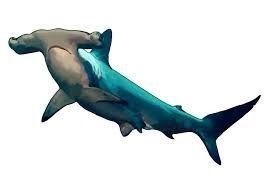
The Scalloped Hammerhead (Sphyrna lewini) is one of the ocean's most iconic and recognizable predators, belonging to the family Sphyrnidae within the order Carcharhiniformes. What sets this remarkable shark apart is its distinctive flattened, hammer-shaped head—called a rostral extension—which gives the species its unforgettable appearance. Known by several regional names including southern hammerhead, kidney-headed shark, and bronze hammerhead, this creature has captivated divers, anglers, and marine enthusiasts worldwide. Unlike its smooth-headed cousins, the Scalloped Hammerhead features a notched or scalloped front edge on its distinctive head structure, which serves as a sophisticated sensory organ for hunting in the depths. The species is critically endangered, with populations declining by up to 95% over recent decades due to overfishing and the demand for shark fins. For those seeking to encounter or study this fascinating creature, understanding its behavior, habitat, and ecological role is essential.
Scalloped Hammerhead Habitat and Distribution
These remarkable sharks thrive in tropical coastal waters spanning the globe, typically inhabiting depths as shallow as the surf zone down to approximately 1,600 feet. As a coastal pelagic species, they occupy both insular and continental shelves, displaying fascinating daily migration patterns. During daylight hours, Scalloped Hammerheads remain relatively close to shore in inshore environments, but as darkness falls, they venture into deeper offshore waters to hunt. Historically, these sharks traveled in massive aggregations—sometimes numbering in the hundreds—but this schooling behavior made them vulnerable to commercial fishing; today, they're more commonly observed in pairs, small groups, or occasionally alone. Juveniles prefer shallow, protected nurseries such as mangroves and bays, where they remain sheltered from larger predators for approximately three years before joining adult populations in pelagic zones. Geographically, Scalloped Hammerheads inhabit waters from New Jersey southward through Brazil, including the entirety of the Gulf of Mexico and Caribbean Sea. They're also found throughout the Mediterranean Sea, the Red Sea, the Indian Ocean, and the eastern Pacific, with notable populations near Ecuador, Peru, Japan, and Australia, making them truly cosmopolitan inhabitants of warm tropical and subtropical seas.
Scalloped Hammerhead Size and Weight
Sexual dimorphism is pronounced in this species, with females significantly outpacing males in overall size. Female Scalloped Hammerheads typically reach lengths of up to 98.4 inches and can weigh approximately 180 pounds, making them substantially larger and more robust than their male counterparts. Males, by contrast, generally measure only up to 70.8 inches in length and weigh around 60 pounds. Across the broader population, these sharks typically range from a minimum size of 59 inches to exceptional specimens reaching nearly 14 feet (169 inches) in length. This size variation reflects both natural growth progression from juveniles to mature adults and the sexual differences embedded in the species' biology. The larger females are often more fecund, capable of bearing more offspring, while the more streamlined males are typically faster and more agile hunters. Understanding these size parameters is crucial for anglers and researchers attempting to identify and responsibly interact with individual animals in the field.
Scalloped Hammerhead Diet and Behavior
With one of the highest metabolic rates among sharks, Scalloped Hammerheads require substantial quantities of food to fuel their active hunting lifestyle. Their diet primarily consists of smaller fish species including herring, mackerel, and sardines, supplemented by cephalopods such as octopus and squid. More impressively, they're opportunistic enough to prey upon smaller shark species, including the blacktip reef shark. The key to their hunting prowess lies in their unique head morphology and sensory capabilities. Their widely spaced eyes and nostrils positioned atop their distinctive heads provide unprecedented spatial separation of their olfactory and visual senses, allowing them to triangulate the location of prey with remarkable precision. Even more remarkably, their flattened heads are studded with specialized electroreceptive organs called ampullae of Lorenzini, which enable them to detect the minute electrical fields generated by muscle contractions in nearby animals—even those buried beneath sand. This multisensory approach makes them exceptionally efficient hunters capable of detecting and dispatching prey in complete darkness or murky conditions. Behaviorally, these sharks are surprisingly shy and reclusive; scientists have noted their extreme reluctance to approach humans or research vessels, despite historical accusations of occasional attacks. This timid nature has actually complicated conservation efforts, as the species proves difficult to study in captivity or through direct observation.
Scalloped Hammerhead Spawning or Seasonal Activity
Scalloped Hammerheads are viviparous, meaning females give birth to live young rather than laying eggs. Breeding occurs during specific seasonal windows, often correlated with water temperature fluctuations and prey availability in tropical and subtropical zones. Pregnant females exhibit distinct behavioral changes, including altered feeding patterns and movement toward shallow nursery habitats where juveniles will be born and sheltered during their most vulnerable life stages. The species exhibits strong homing abilities and navigational precision, using environmental cues and the Earth's magnetic field to establish predictable migration routes between coastal daytime habitats and offshore feeding grounds. These nightly offshore migrations represent one of nature's most impressive examples of animal navigation, as individual sharks appear to maintain mental maps of their territories and return to specific locations with remarkable consistency. Seasonal aggregations occur during peak breeding periods, though these gatherings are far less pronounced than in decades past, reflecting the species' population decline and altered social structure.
Scalloped Hammerhead Techniques for Observation or Capture
Technique 1: Nighttime Offshore Expeditions — Since Scalloped Hammerheads migrate offshore to hunt under cover of darkness, nighttime fishing excursions from 30 to 100+ miles offshore during peak seasons offer the best opportunities for encounters. Use medium to heavy-duty rod and reel combinations with live or fresh-cut bait presentations, particularly herring, mackerel, or bonito. Deploy your offerings in deeper channels and drop-off zones where these sharks transition between shallow and deep waters. Timing your trips during slack tides when water clarity increases and prey visibility peaks can significantly boost your odds of success.
Technique 2: Inshore Mangrove and Bay Exploration — Targeting juvenile and adult Scalloped Hammerheads in inshore habitats such as mangrove-lined bays and shallow estuaries during daylight hours provides a more accessible option. Use light to medium tackle with smaller live baits, and focus on structure-rich areas where sharks can hunt ambush-style. Around major coastal hubs like Miami, Tampa, or Cancún, local charter operators specialize in guided inshore shark fishing that frequently encounters this species. Morning hours just after dawn often yield the best results, as sharks transition from nighttime hunting back to shallow-water refuges.
Technique 3: Acoustic and Visual Tracking — For research or advanced observation purposes, deploying passive acoustic telemetry receivers or satellite tags in conjunction with experienced guides enables non-invasive monitoring of Scalloped Hammerhead movements and behavior. Many marine research institutions and eco-tourism operators now offer guided snorkel or dive experiences in locations with established populations, allowing visitors to observe these magnificent creatures in their natural habitat while maintaining responsible distance and behavior protocols.
Scalloped Hammerhead Culinary or Utilization Notes
The Scalloped Hammerhead is classified as Critically Endangered on the IUCN Red List, which means that fishing for this species is now illegal or heavily restricted in most jurisdictions worldwide. The severe population decline—dropping by approximately 95% over the past three decades—has been driven primarily by overfishing, bycatch, and the high commercial demand for shark fins and liver oil (rich in squalene). Conservation organizations and the International Union for Conservation of Nature have issued clear recommendations that anglers worldwide cease all fishing efforts targeting this species. While historically some regions consumed hammerhead shark meat, current conservation status makes any culinary consideration moot; the ethical and legal imperative is protection and population recovery, not harvest. Instead of consumption, the true value of the Scalloped Hammerhead lies in its role as a apex predator maintaining ecosystem balance and its potential as a flagship species for shark conservation awareness and ecotourism revenue generation in coastal communities.
Scalloped Hammerhead Frequently Asked Questions
Q: Why is the Scalloped Hammerhead's head shaped like a hammer, and what purpose does it serve?
A: The distinctive flattened, hammer-shaped head—technically called a rostral extension—serves multiple critical functions. It houses widely separated eyes and nostrils, providing superior stereo olfaction and visual field coverage. Most importantly, the head is covered with ampullae of Lorenzini (electroreceptive organs) that detect the minute electrical fields produced by muscle contractions in prey animals. This allows Scalloped Hammerheads to locate prey buried in sand or hidden in murky water with astonishing precision. Additionally, the broad head acts as a biological plow, allowing the shark to pin down stingrays and other bottom-dwelling prey during feeding.
Q: What is the best bait or technique for catching a Scalloped Hammerhead?
A: Live or fresh-cut baitfish such as herring, mackerel, sardines, or bonito work best for attracting Scalloped Hammerheads. Deploy baits in offshore channels and drop-off zones during nighttime hours when these sharks migrate into deeper waters to hunt. Medium to heavy offshore tackle is recommended, and patience is essential—these sharks are naturally shy and may investigate baits multiple times before committing to a strike. However, given the species' critically endangered status, ethical anglers should focus on observation and research rather than capture.
Q: Where can I find or observe Scalloped Hammerheads near major coastal cities?
A: In North America, notable populations exist in the Gulf of Mexico and Caribbean waters near Florida, particularly around Miami, Tampa, and the Florida Keys. The waters off Baja California, Mexico, and Central America offer excellent opportunities for encounters during peak seasons. Specialized eco-tourism operators and research institutions in these regions offer guided diving, snorkeling, and fishing experiences. Around the Caribbean, areas near the Bahamas, Turks and Caicos, and the U.S. Virgin Islands frequently host these sharks in both inshore mangrove habitats and offshore feeding zones.
Q: What is the legal status of fishing for Scalloped Hammerheads, and why?
A: The Scalloped Hammerhead is listed as Critically Endangered under IUCN criteria, and many nations have implemented complete fishing bans or severe restrictions on this species. The drastic 95% population decline over three decades resulted from overfishing, finning operations, and bycatch. International agreements and conservation bodies strongly recommend that all recreational and commercial fishing cease immediately. In many jurisdictions, catching and retaining a Scalloped Hammerhead is now illegal; even catch-and-release is regulated or prohibited. Anglers should check local fishing regulations before pursuing any shark species, and should consider alternatives that support conservation-focused research and observation.
Q: When is the best time of year to encounter Scalloped Hammerheads?
A: Seasonal patterns vary by geographic location, but generally, Scalloped Hammerheads are most active and abundant in tropical and subtropical waters during warmer months. In the Caribbean and Gulf of Mexico, peak seasons typically occur from late spring through early fall (May–September). Juvenile populations congregate in shallow nursery habitats during spring and early summer months. Nighttime offshore excursions yield better encounters than daytime, as these sharks are crepuscular and nocturnal hunters. Local charter operators and research groups can provide region-specific timing recommendations.
Q: Are Scalloped Hammerheads dangerous to humans, and have they attacked people?
A: Despite their fearsome appearance and apex predator status, Scalloped Hammerheads are surprisingly timid around humans. Scientists note their extreme reluctance to approach people or research vessels, making them notoriously difficult to study. While historical accounts mention occasional incidents or attacks, such occurrences are exceptionally rare relative to the millions of human-shark interactions annually. The species poses minimal danger to recreational divers, snorkelers, and anglers who maintain respectful distance and proper safety protocols. Their shy demeanor is actually one reason why conservation efforts face challenges—direct study and population monitoring are difficult when the animals actively avoid human contact.